Why Coffee is a big concern in USA Market. Buyers are doing their best research to find the correct product

Maxwell House 27.5oz Ground Coffee Medium Original Roast
Features
| Brand | MAXWELL HOUSE |
| Item Form | Ground |
| Flavor | Original Roast |
| Caffeine Content Description | Caffeinated |
| Roast Level | Medium Roast |
- Maxwell House Original Roast Ground Coffee, 27.5 oz Canister
User reviews
"Good to the last drop" isn't just an advertising slogan. "Good to the last drop" isn't just an advertising slogan, it's the truth !!I've tried various other brands, from store brands to other name brands, along with the little expensive bags, and NOTHING, IMHO, beasts Maxwell House coffee brewed with a simple formula that makes it perfect. Not Starbucks, Seattle's Best, Folgers, or others can beat the taste of Maxwell House.Oh, that simple formula is this: For every measured cup of water, use one tablespoon of coffee. Lower the water to 3/4 cup of measured water if you add cream or other liquid items to your coffee.Sometimes "tried and true" is still the best.
Caffeine. Good price for coffee, nobody can be particular these days. Tastes good, price is good, it is coffee at an almost reasonable price.
Great Price. Love my Maxwell house coffee ☕ pluse the value is pretty good. Better price then in the store.
The Coffee Consumption Landscape in the USA
Coffee consumption in the United States has evolved significantly over the years, shaping how the beverage is integrated into daily life. According to recent statistics, approximately 64% of Americans aged 18 and older consume coffee daily. This prevalence highlights coffee’s enduring role as a staple in American culture. Notably, the rise of specialty coffee shops has transformed the coffee experience, catering to a demand for high-quality and artisanal brews. Consumers are increasingly drawn to these establishments, which offer a diverse range of brewing methods and flavor profiles, leading to a more engaged coffee-drinking populace.
Demographic insights reveal interesting patterns in coffee consumption. Younger consumers, particularly millennials and Gen Z, play a pivotal role in driving trends within the coffee market. These age groups prioritize unique flavors, sustainability, and ethical sourcing, influencing businesses to align their practices with consumer values. As a result, coffee producers are more likely to adopt transparent sourcing methods and environmentally friendly practices, providing a competitive edge in a saturated market. Moreover, older generations continue to favor traditional coffee options, signaling a diverse consumer base with varying preferences.
Regional preferences also contribute to the consumption landscape. For instance, the Pacific Northwest shows a high density of specialty coffee shops, whereas the South maintains a strong affinity for traditional brewed coffee. This geographic variation underscores the cultural nuances surrounding coffee consumption in different parts of the country. In light of these developments, it is clear that the coffee market in the USA is not only vast but also characterized by a dynamic interplay of trends that reflect broader societal shifts toward quality and ethical considerations. Understanding these factors is essential for stakeholders aiming to navigate this lucrative and evolving marketplace.
Our Picks for your selection


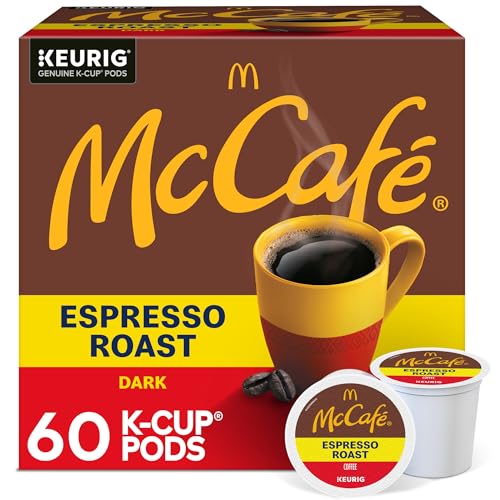

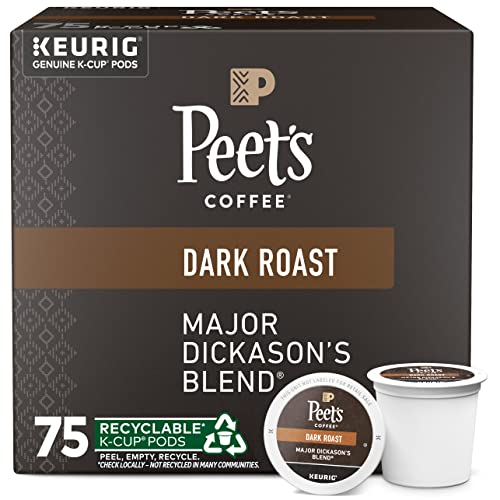

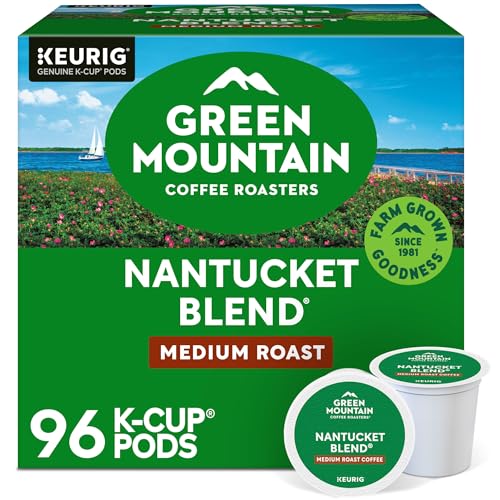


Economic Impact of the Coffee Industry
The coffee industry represents a significant segment of the economic landscape in the United States, demonstrating multi-faceted ramifications on employment, trade, and agriculture. First and foremost, coffee retail establishments significantly contribute to job creation. In 2022, the National Coffee Association reported that over 1.7 million jobs were supported by the coffee sector, spanning from baristas in local cafes to executives in multinational corporations. This employment footprint not only fosters economic stability for families but also enhances community vibrancy, positioning coffee as a pillar of the U.S. economy.
Moreover, the importation of coffee beans plays a crucial role in the United States’ trade dynamics. The U.S. is a leading coffee importer, acquiring approximately 30% of the world’s total coffee supply. This continuous influx shapes commercial relationships with coffee-producing countries, which can range from small family-owned farms to large corporate plantations. Such interdependence fosters economic growth within the coffee supply chain, facilitating access to quality beans while simultaneously providing financial sustenance to foreign economies.
However, the economic benefits extend beyond immediate job creation and trading practices. The agricultural economy within the U.S. is intricately linked to the coffee industry. Coffee farming in regions such as Hawaii and California represents a critical agricultural venture, contributing to local economies and generating income for farmers. Yet, these producers face daunting challenges, including volatility in coffee prices driven by fluctuating global market demands and the growing impact of climate change on crop viability. As shifting weather patterns threaten coffee yields, farmers may experience financial instability, jeopardizing their livelihoods and the broader economic framework that depends on consistent coffee supply. Therefore, the intricate balance of the coffee industry within the USA encapsulates diverse economic factors that ripple through local and global markets, underlining its significance to the economy at large.
Health Concerns and Benefits Related to Coffee Consumption
Coffee, one of the most widely consumed beverages in the United States, evokes a spectrum of health implications that have been the subject of considerable research. Numerous studies indicate that coffee is rich in antioxidants, which can play a significant role in combating oxidative stress and inflammation. Additionally, intermittent coffee consumption has been linked to a reduced risk of developing certain diseases, such as Type 2 diabetes and Parkinson’s disease. These beneficial properties may positively influence consumer behavior, leading to a growing preference for coffee as a health-conscious choice.
However, the conversation around coffee is not devoid of concerns. Many individuals experience negative side effects, particularly when consumption is excessive. Anxiety and insomnia are prominent issues associated with high caffeine intake, and these concerns can deter certain demographics from consuming coffee. Moreover, the stimulant effect of caffeine can lead to increased heart rate and potential digestive issues for some people. As a result, reactions to coffee vary among individuals, depending on their health status, genetic predisposition, and sensitivity to caffeine.
Consumer perceptions of coffee’s health implications play a pivotal role in shaping market trends. While a segment of the market is gravitating toward coffees positioned as ‘health boosters’—such as organic or specialty blends that tout high antioxidant levels—others are gravitating away from coffee due to its potential risks. Consequently, brands are challenged to present balanced, informative messaging that acknowledges both the health benefits and potential downsides of coffee consumption. This intricate interplay between health perceptions and consumer choices underscores the need for ongoing research and education regarding the multifaceted effects of coffee on health.
Environmental and Ethical Considerations in Coffee Production
Coffee production, while a significant economic driver in the USA, raises substantial environmental and ethical concerns that merit scrutiny. The coffee cultivation process is often linked to deforestation, particularly in tropical regions where forests are cleared to make way for coffee plantations. This deforestation not only contributes to biodiversity loss but also exacerbates climate change due to the displacement of carbon sinks. As consumers become increasingly aware of these environmental impacts, there is heightened demand for sustainable coffee farming practices, which emphasize reforestation and conservation efforts.
Water use is another critical issue associated with coffee production. The process of growing coffee requires extensive water resources, with estimates suggesting that it takes about 140 liters of water to produce just one cup of coffee. In regions where water scarcity is a pressing concern, the intensive water consumption of coffee cultivation can lead to significant competition over this vital resource, impacting local communities and ecosystems. Thus, the sustainability of coffee production is inherently tied to water management practices, urging brands to adopt methods that minimize water usage and enhance efficiency.
On the ethical front, consumer awareness has increased regarding the plight of coffee farmers who often work under exploitative conditions. The ethical implications extend to fair trade practices, where consumers are urged to support brands that prioritize equitable compensation for farmers. These practices not only aim to improve the livelihoods of coffee growers but also promote transparency and social responsibility within the coffee industry. As a result, the growing inclination towards sustainably sourced coffee is beginning to shape market trends, compelling brands to reevaluate their sourcing strategies to meet consumer expectations. This shift reflects a broader movement towards more responsible consumption, where ethical considerations play a pivotal role in purchasing decisions.