The Wireless Revolution: How Finland is Pioneering in Wireless Electricity Innovation. Wireless Gold Electricity: Powering the Future Without Wires
🔌 Introduction to Wireless Electricity
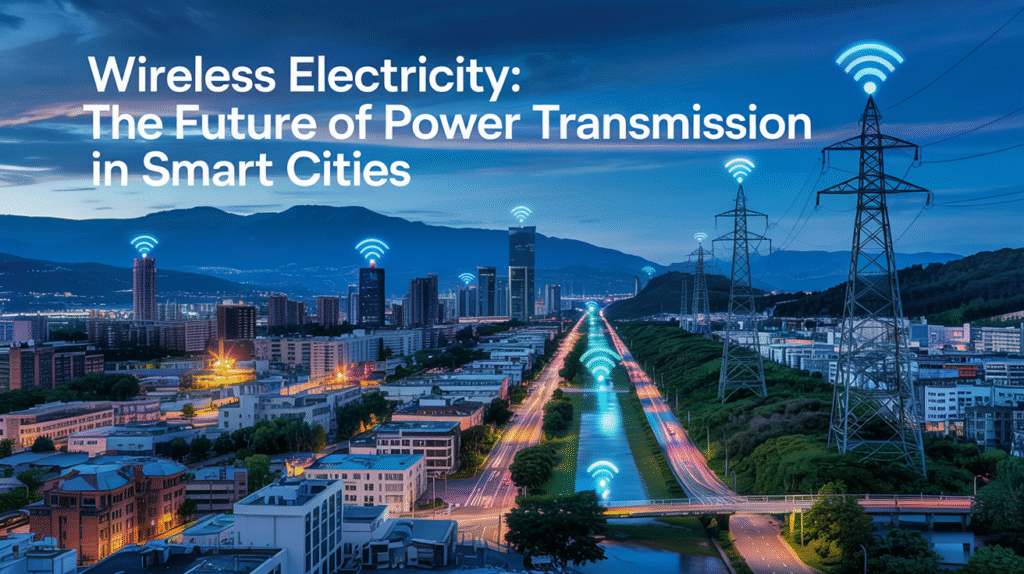
Wireless electricity—also known as wireless power transfer (WPT)—is the science of transmitting electrical energy without wires, using electromagnetic fields. While the idea once lived in the realm of science fiction, it has now become a rapidly advancing field with real-world applications.
The concept traces back to iconic inventor Nikola Tesla, who envisioned electricity flowing freely through the air. For decades, this idea remained misunderstood and viewed as impractical. But with modern breakthroughs in materials, engineering, and power electronics, wireless electricity is no longer just imagination—it’s evolving into a global innovation frontier.
Recent technological progress, coupled with environmental demands and the rise of consumer electronics, has reignited interest in wireless power transfer across sectors like healthcare, transportation, and smart infrastructure.
Key Points:
- Wireless power transfer uses electromagnetic fields
- Based on Nikola Tesla’s original vision
- Now becoming practical with modern technology
- Applications across multiple industries
Finland’s Pioneering Breakthroughs

Finland has emerged as a global leader in wireless electricity innovation, pushing boundaries through collaboration between universities, research centers, and industry.
Aalto University: Leading Research
Researchers at Aalto University have developed advanced WPT systems using resonant inductive coupling—a method enabling efficient power transfer between frequency-aligned coils. Their experiments have achieved improved distance and lower loss, outperforming earlier generations of wireless power technology.
PowerPulse: EV Charging Innovation
This Finnish company is developing wireless EV charging infrastructure, allowing vehicles to charge while parked—potentially even during brief stops at designated locations. This represents a major leap from traditional plug-in systems.
VTT Technical Research Centre: Urban Solutions
VTT is testing wireless power transmission in urban environments, using beamforming and microwave technologies for powering public transport, smart city systems, and distributed energy networks.
Finland’s ecosystem demonstrates how academic excellence and industry innovation together can reshape global energy distribution.
🔬 The Science Behind Wireless Power Transfer
Wireless power transfer works by using electromagnetic fields, primarily via:
1. Inductive Coupling
A transmitting coil generates a magnetic field through alternating current. A receiving coil captures that field and converts it back into electricity.
2. Resonant Inductive Coupling
When both coils share the same resonant frequency, energy transfer becomes far more efficient—allowing greater distances and reduced loss.
3. Magnetic Resonance Technology
This enables devices to receive power even when not in perfect alignment or close proximity to the source.
Engineers continue improving coil design, reducing heat loss, minimizing interference, and ensuring safety standards for electromagnetic exposure.
Technical Advancements:
- Improved coil efficiency
- Reduced energy loss
- Better alignment tolerance
- Enhanced safety protocols
🌆 Implications for Urban Development

Wireless electricity can dramatically reshape the future of cities:
Public Transport Revolution
Electric buses and trams can recharge at stops—reducing the need for large charging stations and minimizing downtime.
Urban Aesthetics
Removal of cables and overhead lines makes cities visually cleaner and less cluttered, preserving historical views while embracing modern technology.
Smart City Integration
Buildings and infrastructure can dynamically manage energy use in real time, optimizing power distribution based on demand.
Enhanced Mobility
Mobile charging stations and dynamic wireless charging can improve traffic flow and reduce vehicle downtime.
A wireless energy-enabled city can become more sustainable, efficient, and resilient against power disruptions.
🌍 Benefits of Wireless Electricity Distribution
1. Safety Improvements
No exposed wires means fewer electrical hazards, fires, and accidents—particularly important in public spaces and homes with children.
2. Energy Efficiency
WPT systems can deliver on-demand power, lowering waste and supporting better integration with renewable energy sources.
3. Environmental Benefits
Reduced reliance on fossil fuels, less infrastructure damage during storms, and fewer materials needed for wiring and maintenance.
4. Reliability and Resilience
Wireless networks are less likely to be disrupted by weather conditions, physical wear, or accidental damage.
5. Convenience and Accessibility
Seamless power access eliminates the need for multiple chargers and adapters, simplifying device usage across different
A Book Recommended by the Editor
environments.

⚠️ Challenges & Limitations

Despite its promise, wireless electricity faces several obstacles:
Efficiency Concerns
Power loss increases as the distance between transmitter and receiver grows, making long-range transmission challenging with current technology.
Cost Barriers
Research, development, and deployment require major investment, making initial implementation expensive compared to traditional wiring.
Infrastructure Requirements
Multiple transmitters may be needed for widespread coverage, requiring significant urban planning and installation efforts.
Safety and Regulation
Electromagnetic exposure and electronic interference must be carefully managed and regulated to ensure public safety.
Technical Limitations
- Limited range compared to wired solutions
- Potential interference with other devices
- Lower efficiency than direct connections
- Standardization challenges across manufacturers
💻 The Role of Digital Transformation
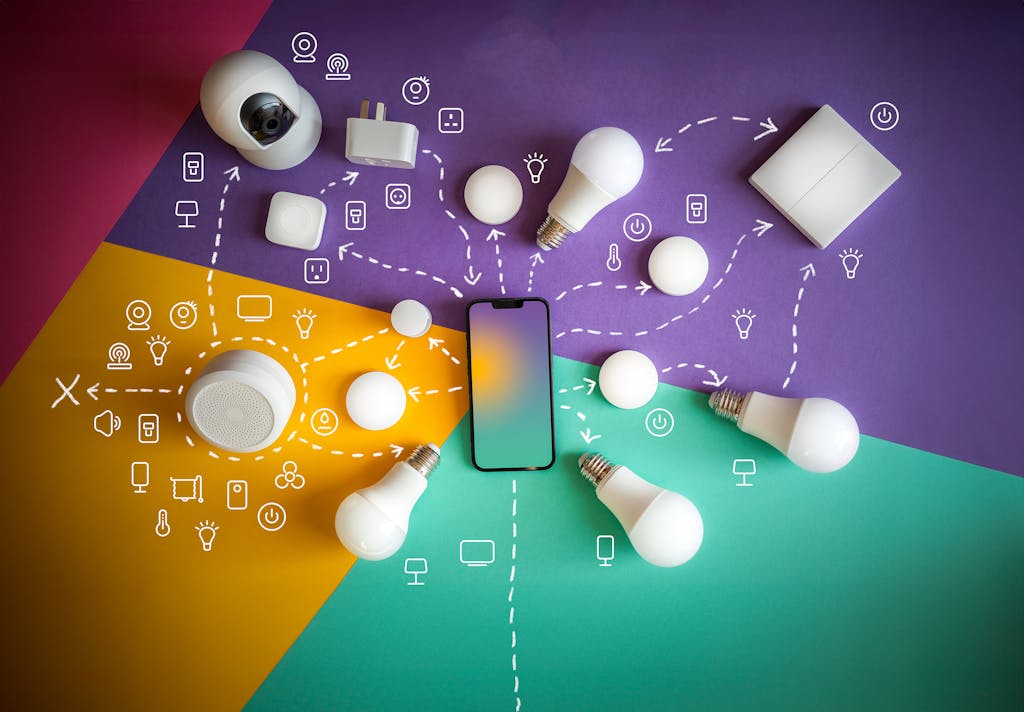
Wireless electricity aligns perfectly with ongoing digital transformation trends:
IoT Integration
Smart devices can communicate to regulate energy use in real time, creating intelligent ecosystems that optimize power consumption automatically.
Smart Grid Enhancement
Wireless electricity enhances modern grids with two-way communication between consumers and suppliers, enabling dynamic load balancing and better resource management.
Automation and AI
Autonomous energy systems use artificial intelligence to predict usage patterns, reduce waste, and optimize energy distribution across networks.
Data-Driven Optimization
Real-time monitoring and analytics help identify inefficiencies and opportunities for improvement in wireless power systems.
Digital transformation is helping wireless electricity move from theoretical concept to practical, global innovation.
📚 Case Studies & Real-Life Examples
Public Transportation: Lahti, Finland
Electric buses in Lahti recharge wirelessly during regular route stops, reducing emissions and operational downtime while maintaining consistent service schedules.
Smart Home Integration
Furniture with built-in charging pads—including tables, countertops, and desks—allow devices to charge seamlessly without visible cables or dedicated charging stations.
Industrial Applications
A manufacturing plant in Vantaa tested wireless power for machinery, reducing cable hazards and improving operational efficiency through flexible equipment placement.
Healthcare Innovations
Wireless power enables medical implants and devices to operate without battery replacement surgeries, improving patient outcomes and reducing healthcare costs.
These real-world examples demonstrate that wireless electricity is already delivering practical value across multiple sectors.
🔮 Future & Trends

Wireless electricity is expected to bring sweeping changes in the coming decades:
Renewable Energy Integration
Solar and wind farms may one day transmit power wirelessly to homes and electric vehicles, creating truly cordless renewable ecosystems.
Efficiency Breakthroughs
Ongoing research promises reduced energy loss and improved safety protocols, making wireless power competitive with traditional wiring.
Smart Grid Expansion
Cities will develop invisible, continuous energy networks that provide seamless power access across urban environments.
Consumer Transformation
Phones, appliances, vehicles, and even medical implants will charge automatically without user intervention or visible power sources.
Emerging Applications
- Dynamic charging for electric vehicles in motion
- Wireless power for drones and aerial vehicles
- Smart clothing with integrated power reception
- Industrial IoT devices with perpetual power
The future points toward a world where energy flows as freely as WiFi, transforming how we interact with technology and our environment.
💡 Conclusion: The Path Forward

Wireless electricity represents one of the most exciting frontiers in energy technology. With Finland leading the charge through innovative research and practical applications, we’re moving closer to Nikola Tesla’s original vision of cordless power.
While challenges remain in efficiency, cost, and infrastructure, the rapid pace of innovation suggests these hurdles will be overcome. The collaboration between academic institutions, private companies, and government agencies in Finland provides a model for how to advance this technology responsibly and effectively.
As wireless power technology continues to evolve, it promises to reshape our cities, enhance sustainability, and create new possibilities for how we live, work, and interact with technology. The wireless revolution is not just coming—it’s already here, and it’s charging ahead faster than ever before.
e Energy, Future Tech