The Ultimate Guide to Wireless Earbuds and Noise-Cancelling Headphones


Introduction to Wireless Earbuds and Noise-Cancelling Technology
Wireless earbuds and noise-cancelling headphones have become indispensable audio accessories for music enthusiasts, frequent travelers, and professionals seeking enhanced sound experiences. Wireless earbuds are compact audio devices designed to connect to various audio sources, such as smartphones and computers, via Bluetooth technology. This wireless connection allows for greater mobility and convenience, freeing users from the constraints of cables. Notably, modern wireless earbuds often come equipped with additional features like touch controls, voice assistants, and sweat resistance, making them suitable for diverse activities, including workouts and commutes.
On the other hand, noise-cancelling headphones employ advanced technology to minimize unwanted ambient sounds, allowing users to immerse themselves in their audio environment. The fundamental principle of noise cancellation involves two approaches: passive and active noise cancellation. Passive noise cancellation utilizes soundproofing elements in the headphone design to block external noise. This is achieved through physical barriers that cover the ears effectively. Active noise cancellation, however, involves a more complex system where microphones pick up ambient sounds and produce sound waves of the same frequency but with opposite phase, effectively cancelling out the noise. This active approach significantly enhances audio quality, especially in noisy settings.
Both wireless earbuds and noise-cancelling headphones are vital tools for individuals seeking a superior audio experience. Their significance is amplified in today’s fast-paced world, where distractions abound. Whether on a crowded subway, in a bustling café, or while working in a noisy environment, these devices provide a way to enjoy audio or focus on tasks without interruption. This innovative technology not only accommodates audio listening preferences but also addresses the growing need for personal audio solutions in an increasingly connected and mobile lifestyle.
Popular Models: Apple AirPods and Premium Alternatives
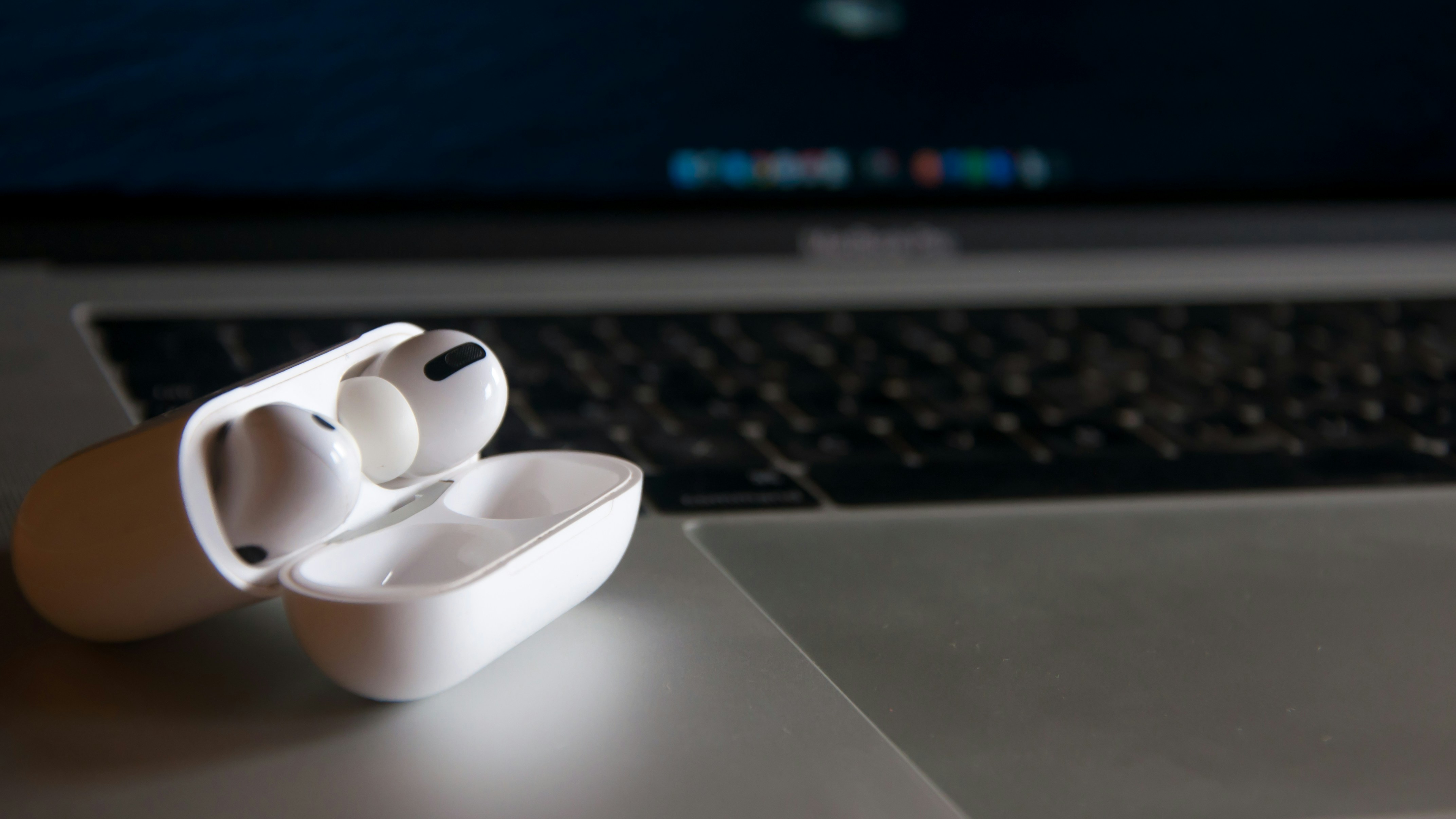
When exploring the landscape of wireless earbuds and noise-cancelling headphones, the Apple AirPods have emerged as a benchmark for quality and usability. Known for their seamless integration with other Apple devices, the AirPods Pro, in particular, offer active noise cancellation and transparency modes, allowing users to switch effortlessly between immersive sound and environmental awareness. The sound quality is commendable, with a balanced audio output that caters to various music genres. Battery life extends up to 4.5 hours with noise cancellation activated, and the charging case provides an additional 24 hours. The design boasts a sleek aesthetic, although some users find them less comfortable for extended use, largely due to their one-size-fits-all approach.
In contrast, premium alternatives such as the Sony WF-1000XM4 and Bose QuietComfort Earbuds have carved out their own niches with advanced features and superior sound quality. The Sony WF-1000XM4 stands out with its industry-leading noise cancellation technology, dynamic sound profile, and customizable equalizer settings. With a remarkable battery life of up to 8 hours on a single charge and an additional 16 hours provided by the case, the WF-1000XM4 caters beautifully to users who prioritize longevity. Their ergonomic design ensures a comfortable fit, making them ideal for prolonged listening sessions.
Bose also presents formidable competition with its QuietComfort Earbuds, which offer exceptional noise-cancelling capabilities and a distinctly rich sound experience. While their bulkier design may not appeal to every user, the comfort level is noteworthy, making them suitable for those long journeys or extended commutes. The battery life matches the Sony model but is accompanied by a more intuitive touch control system.
Ultimately, the choice between Apple AirPods and premium alternatives like Sony and Bose will depend largely on individual preferences concerning sound quality, battery longevity, design, and price considerations. Evaluating these factors will enable consumers to select a model that aligns seamlessly with their lifestyle and audio needs.
Benefits of Using Wireless Earbuds and Noise-Cancelling Headphones
Wireless earbuds and noise-cancelling headphones have gained significant popularity due to their numerous advantages in modern lifestyles. One of the primary benefits of these devices is their mobility and convenience. With the elimination of cables, users can enjoy unrestricted movement whether commuting, exercising, or completing tasks around the house. This hands-free usage enhances daily activities and promotes a seamless experience while listening to music or taking calls.
Another critical aspect of these headphones is their noise cancellation capability. This feature significantly impacts productivity and relaxation, allowing users to create an immersive sound environment. In a busy work setting or a noisy public space, noise-cancelling headphones can help minimize distractions, enabling individuals to focus better on tasks. Similarly, during leisure time, they provide a peaceful audio experience, enhancing enjoyment when watching movies or listening to ambient sounds.
Moreover, the sound quality offered by wireless earbuds and noise-cancelling headphones is often superior compared to traditional headphones. Enhanced audio technology in these devices delivers a deeper bass response and clearer treble, making them ideal for audiophiles. This improvement in sound quality can drastically enrich the listening experience, whether for casual enjoyment or professional audio production.
Health considerations are also an essential benefit. Prolonged exposure to loud environments can lead to hearing damage; however, noise-cancelling headphones can lower the volume necessary to enjoy high-quality sound. Additionally, many designs prioritize ergonomics, enabling comfortable wear for extended periods without causing strain or discomfort. This focus on user comfort further solidifies the appeal of wireless earbuds and noise-cancelling headphones, setting them apart as essential devices in today’s fast-paced world.
Future Trends in Audio Technology: What to Expect
The landscape of audio technology is rapidly evolving, with wireless earbuds and noise-cancelling headphones leading the charge. One notable trend is the continuous improvement in battery technology. As consumer demand for longer playtime grows, manufacturers are investing significantly in enhancing battery life and charging efficiency. Innovations such as quick-charge features and more efficient lithium-ion batteries are expected to extend usage times, enabling users to enjoy uninterrupted audio experiences while on the go.
Another key area of development is the advancement of noise-cancellation algorithms. Traditional noise-cancelling headphones have already made significant strides in isolating external sounds; however, future models are poised to incorporate adaptive algorithms that dynamically adjust based on the surrounding environment. This will allow users to seamlessly transition between complete noise isolation in busy areas to a more ambient listening experience in quieter settings. Such flexibility could redefine how consumers engage with their audio devices in various contexts.
The integration of smart features is also set to transform user experiences. Voice assistants, already present in many existing devices, will become more sophisticated, allowing for hands-free control and enhanced interaction with one’s digital ecosystem. Furthermore, the potential incorporation of health-tracking capabilities in earbuds could revolutionize personal audio devices by monitoring metrics such as heart rate and activity levels. This intersection of audio and health technology illustrates a growing trend towards multifunctional devices that cater to a lifestyle increasingly centered around wellness.
As these trends continue to unfold, users can expect a more personalized and engaging audio experience. The combination of improved battery technologies, advanced noise-cancellation methods, and the integration of smart features will not only shape consumer preferences but also set new standards for performance in the audio products of the future.